
Major Relic of St Carlo graces Tassie for one weekend

By Catherine Sheehan
For two grace-filled days in early October the Church of the Apostles in Launceston was blessed with the presence of a first-class Relic of St Carlo Acutis, the first millennial saint who was canonised in September last year.
The Major Pilgrim Relic is a piece of St Carlo’s pericardial tissue—the membrane surrounding the heart. St Carlo, who died in 2006 aged 15, is known for his love of the Eucharist and his skills as a website developer.
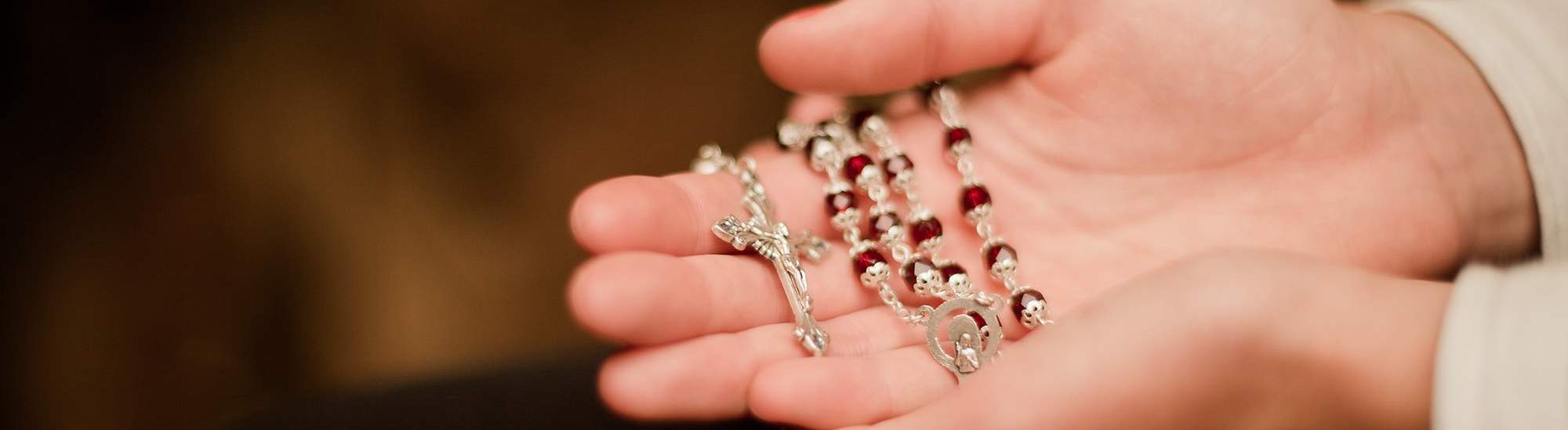
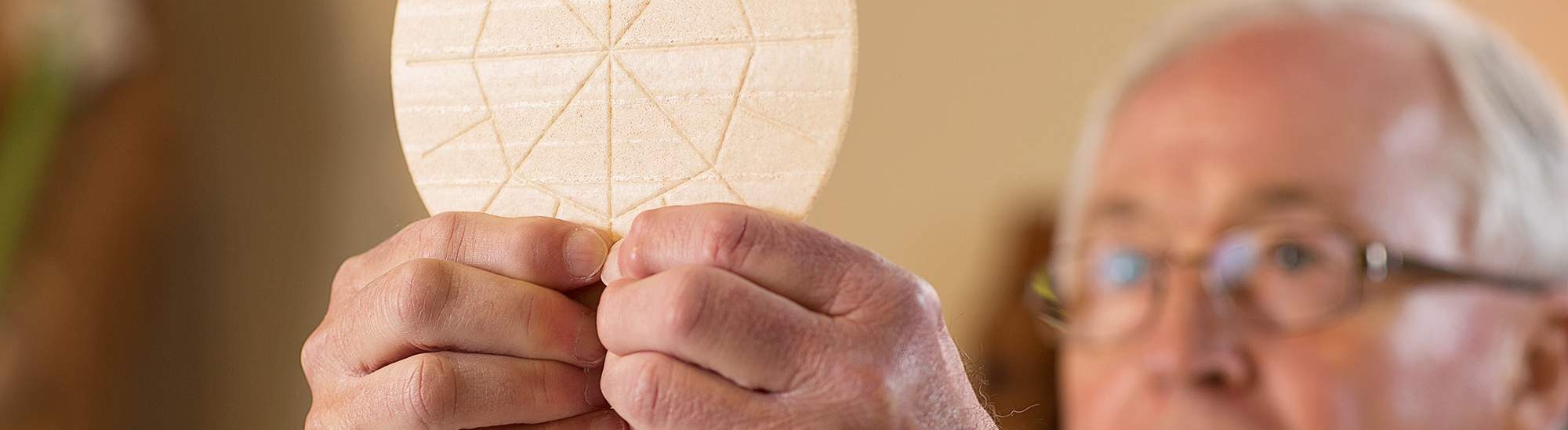
On both 3 and 4 October at the Church of the Apostles, Mass was celebrated, a presentation on St Carlo given, as well as Veneration of the Relic, individual blessings with the Relic, Eucharistic Adoration, Rosary and Benediction. There was also time for people to simply pray quietly in the presence of St Carlo’s Relic.
A group of 11 from Circular Head Parish travelled to Launceston for the Relic visit, including two families—the Bell family and the Talamaivao family.

Ben Talamaivao who attended with his four children—Divine, Derek, Barbara and Rachael—said they enjoyed the time spent in prayer before the Relic.
“We wanted to take the opportunity to venerate the relic of a new saint,” Ben said.
“It’s not often we get a chance like this in Tasmania, and we felt called to go and deepen our faith.
“The story of Carlo Acutis is very inspiring. He was so young and normal, loved computers and everyday life but put Jesus first, especially his love for the Eucharist. It shows holiness is possible for everyone even today.”
Cameron and Lea Bell brought their two children Liam and Cienna.
“St Carlo’s story is inspiring because he devoted his life to be like Jesus,” Cienna said.
“It feels amazing to be in the presence of a saint that is like us, dressed in modern clothes.”
Michael and Elisabeth Ryan also attended and said the experience was well-worth the journey to Launceston.

“When this opportunity arose we saw it as a huge blessing for all who could come,” Elisabeth said.
“It is hard to put into words the spirituality, graces and love experienced over the weekend.”
The exhibition of Eucharistic miracles that St Carlo designed himself—the Vatican International Exhibition of Eucharistic Miracles of the World—was on display in the Parish Pastoral Centre.
On Saturday evening, there was a movie night at the Emmanuel Centre with around 50 people gathering to watch two documentaries about St Carlo—‘I Am With You Always’ and ‘Roadmap to Reality’.
Nick, a member of the Community of St Joseph in Launceston, attended the weekend including the movie night.
“St Carlo Acutis was inspiring, bringing me to contemplate that God has made us all unique for Himself, and this individuality is realised through holiness as a fruit of grace,” he said.

In his homily on 4 October, Launceston Parish Priest Fr Shammi Perera said St Carlo had been a joyful person because he was “God-centred”.
“St Carlo looked away from himself and saw Christ in the Eucharist, through it recognised Christ in the poor, in the lonely and in his friends,” Fr Shammi said of the young saint who lived “in a wealthy society in Milan”.
“He recognised that money, technology and comfort are useful servants but terrible masters.
“Greatness means becoming the person God created you to be… Carlo became Carlo. And you must become you. God has never created another person exactly like you.”
Launceston Assistant Priest, Fr Jonas Donasco MLCC, celebrated Mass on 3 October and spoke about St Carlo’s great love for the Eucharist.
“St Carlo discovered something that technology could never give him—the real presence of Our Lord Jesus Christ, truly, really, and substantially present in the Eucharist,” Fr Jonas said.

“St Carlo did not simply admire the Eucharist. He allowed the Eucharist to transform his life.
“We don’t simply admire Carlo, we learn from his relationship with Jesus.”
Kate Hobbs from the Friends of St Carlo Acutis Australia has been travelling with the Relic around the country over the past four months and said people are “drawn” to St Carlo.
“There is a real grace when Carlo arrives somewhere,” Kate said. “God is just giving a grace through Carlo’s story. His story just rings true. It is very gospel-centred and Jesus-centred.
“He brings a simplicity to the faith too… He didn’t have mystical experiences… just a daily grind of the faith that he lived. And he lived it with constancy.”
Jess, also a member of Friends of St Carlo Acutis, has been accompanying Kate on the Mission pilgrimage around Australia.

“St Carlo is relevant because he’s completely himself, encouraging all to live as an original and not a photocopy,” Jess said.
“He shows that whatever you do ought to glorify God, and whether you’re a computer genius like him or God has given you some other gift, if it’s fuelled by the Eucharist, your life will be truly beautiful.”
Jacquie and Micah Harsh of the Emmanuel Centre helped to coordinate the visit of St Carlo’s Relic to Launceston and said they hoped it would bear much spiritual fruit.
“We have already heard personal reflections from many people about how St Carlo’s story and intercession has deepened their appreciation of the Catholic faith, and devotion in particular to Eucharistic Adoration and daily commitment to praying the Rosary,” they said.
“The Eucharistic miracles exhibition that St Carlo put together is awe inspiring and a great reminder of the true presence of Our Lord in the Blessed Sacrament.”
Carlo Acutis was born in 1991 and grew up in Milan, Italy. From the time he received his First Holy Communion at age seven, he never missed attending daily Mass. He described the Eucharist as his “highway to heaven”. His pathway to holiness consisted of daily Mass, Eucharistic Adoration, regular Confession, devotion to the Blessed Virgin Mary, and acts of charity.

He was considered a genius with computers and he created a website dedicated to cataloguing Eucharistic miracles from around the world.
After he was diagnosed with leukemia at age 15 he said, “I offer all the suffering I will have to suffer for the Lord, for the Pope, and the Church.”
He died on 12 October 2006 and was buried at Assisi, the home of St Francis of Assisi whom he loved.
The visit of his Relic to Tasmania was part of a four-month nation-wide Mission conducted by the Friends of St Carlo Acutis Australia which began in Sydney in June. It has travelled to Armidale, Cairns, Darwin, Perth, Adelaide, Canberra, Wagga Wagga, and the diocese of Wilcannia-Forbes. The mission will conclude back in Sydney on 25 October.


