14th Sunday in Ordinary Time

6pm Mass, St Mary’s Cathedral, Hobart
Welcome to you who have joined us for this evening Mass.
There is something deeply attractive about gentleness.
We live in a world that often celebrates strength, influence and success. Yet the people who leave the deepest mark on our lives are often those whose strength is expressed through kindness, whose authority is exercised with humility and whose greatness is revealed in service.
That is the sort of king Zechariah announces in our first reading.
“See now, your king comes to you; … humble and riding on a donkey.”
This is not a conqueror arriving on a warhorse. He carries no sword. He comes in peace. His victory is not won by force but by love.
That prophecy reaches its fulfilment in Jesus Christ.
He does not overwhelm people. He never coerces. He never manipulates. All throughout the Gospels he simply invites.
Tonight we hear one of the most beautiful invitations ever spoken:
“Come to me, all you who labour and are overburdened, and I will give you rest. Shoulder my yoke and learn from me, for I am gentle and humble in heart.”
Those words have echoed through twenty centuries because they speak to something universal within the human heart.
Everyone carries burdens. Some are visible. Others remain hidden.
There are burdens of grief and loneliness, of illness and anxiety, of disappointment and regret. There are burdens carried by parents for their children, by young people wondering what direction their lives should take, by those who care for ageing parents, and by those quietly trying to remain faithful in a world that often has little interest in God.
Jesus does not pretend those burdens do not exist.
Neither does he promise that discipleship will remove every difficulty.
Instead, he offers himself.
He says, in effect, “Bring them to me. Walk with me. Let me help you carry them.” This is an invitation to a conversation with Jesus – in prayer.
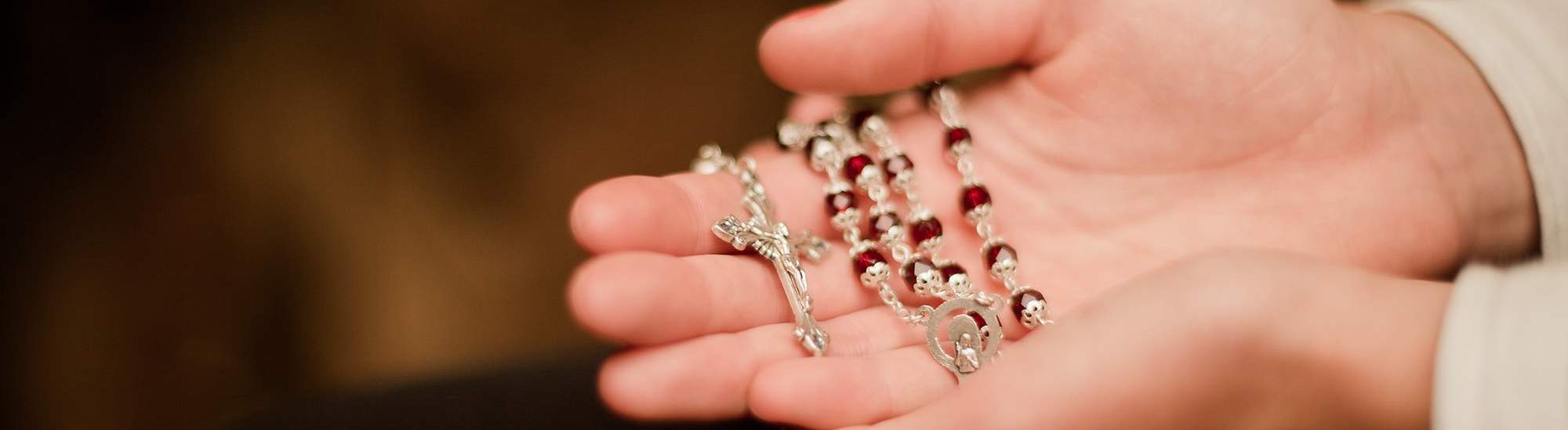
Prayer is not first about finding perfect words. It is accepting Christ’s invitation to spend time with him. It is bringing him what is really happening within our hearts, confident that the One who carried the Cross understands every burden we bring before him.
St Paul tells us why such confidence is possible.
He writes in tonight’s second reading: “The Spirit of God has made his home in you.”
God does not remain distant from his people. He makes his home within us.
Then Paul added:
“He who raised Jesus from the dead will give life to your own mortal bodies through his Spirit living in you.”
Everything we believe rests upon that promise.
The Holy Spirit who raised Jesus from the tomb is alive in his Church today. The Christian life is not sustained by our determination or our own strength. It is sustained by the very life of God dwelling within us.
Today the Catholic Church in Australia observes Aboriginal and Torres Strait Islander Sunday.
Here in Tasmania, we cannot do so without remembering both the extraordinary richness of Palawa culture and the painful history that unfolded after European settlement. The First Peoples of this island cared for this land over countless generations. They knew its seasons, honoured its rhythms and understood that creation is not merely a resource to be exploited but a gift to be received with gratitude and reverence.
The history that followed brought dispossession, violence and profound suffering. Those wounds are part of our shared history. Christians do not turn away from difficult truths because reconciliation always begins with truth, is sustained by justice and finds its fulfilment in forgiveness and hope.
The oldest continuing culture on earth has much to teach us about belonging, about patience, about caring for creation entrusted to us by God, and about seeing ourselves as part of something greater than ourselves.
This evening’s liturgy gently gathers all these themes together.
We have heard of the humble King who comes in peace.
We have listened to Christ inviting the weary to find rest in him.
We have been reminded that the Holy Spirit has made his home within us.
In a few moments we shall pray the Fourth Eucharistic Prayer. It recalls the whole history of salvation—from the goodness of creation, through God’s patient covenant with Israel, to the coming of Christ who stretched out his hands upon the Cross so that death might be destroyed and life restored.
That prayer also asks the Father to gather us together by the Holy Spirit into one body.
This is exactly what is happening here this evening.
The Lord gathers people of every age and every background.
He gathers those whose families have lived on this island for tens of thousands of years and those whose ancestors arrived only recently.
He gathers the joyful and the weary.
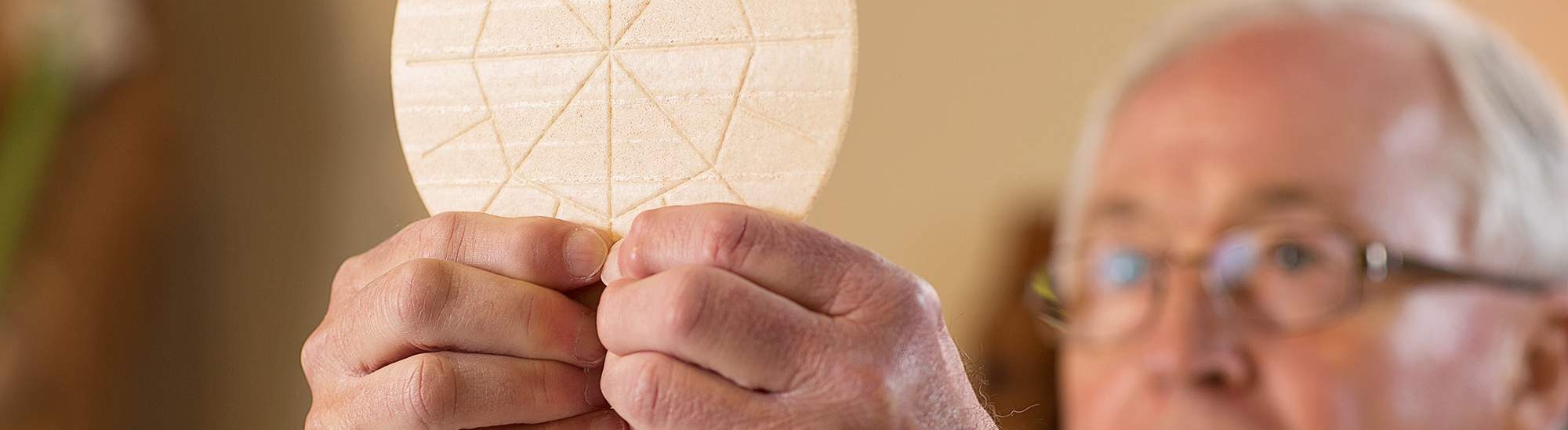
He gathers all of us around one table.
As we come forward to receive the Bread of Life, we do so trusting that the Good Shepherd still seeks his flock, and that the gentle voice which has echoed through the centuries still speaks personally to each one of us:
“Come to me… and I will give you rest.”
Most Rev. Anthony J. Ireland
Archbishop of Hobart
5 July 2026