LITURGY MATTERS: The transforming power of the Word

By Michael McKenna, Archdiocesan Master of Ceremonies
Celebrated forty days after Christmas, the Feast of the Presentation of the Lord marks a shift in the Church’s Incarnation narrative towards Christ’s mission of salvation for all humanity. In his recognising the child Jesus as “a light for revelation to the Gentiles” (Lk 2:32) Simeon gives us pause to reflect on how God’s Word continues to move, illuminate, and shape the life of the Church today.
Throughout the year the Holy Father invites the faithful into prayerful solidarity with him for a particular monthly intention. The intention for January was: “that praying with the Word of God be nourishment for our lives and a source of hope in our communities, helping us to build a more fraternal and missionary Church.”
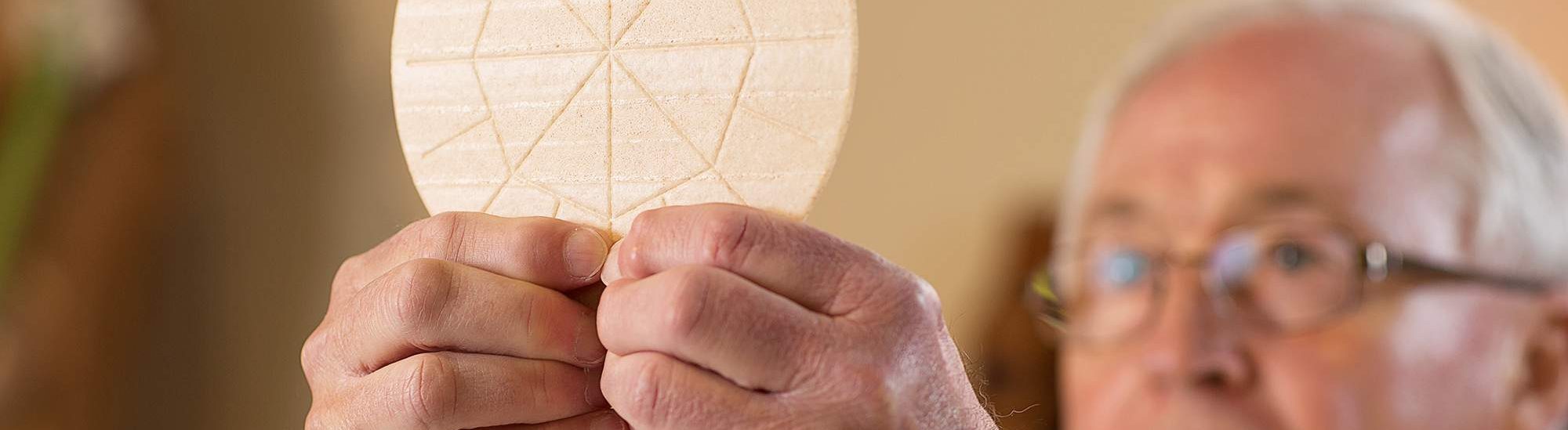
At the heart of the prayer intention is our belief that Scripture is not simply a text to be studied but a living encounter with Christ Himself. Among the principal documents of the Second Vatican Council, Sacrosanctum Concilium specifically references Christ’s presence in the sacrifice of the Mass, especially in the Eucharistic elements, and profoundly in the Word proclaimed.
Saint Caesarius of Arles, renowned for his passionate preaching, once asked his congregation, which in the Mass was of greater value: the Word of God or the Body of Christ? He profoundly observed that were we to conclude correctly that the Word of God is no less important than the Body of Christ then “the same care that we take in distributing the body of Christ, lest any portion of it should fall from our hands to the ground, we should take when the Word of God is distributed amongst us, lest, whilst we think or speak of other things, any of it should fall from our hearts.”
The story of the disciples on the road to Emmaus (Luke 24:13–35) is one of the most powerful scriptural images reflecting how we frequently experience Christ’s presence in the Liturgy. The phrase “Did not our hearts burn within us…?” calls to mind that profound moment where the two disciples recognise, after the fact, that Christ had been present with them on the road—even before they recognised Him in the breaking of the Bread.
The Holy Father encourages each of us to move beyond treating Scripture as information and to receive it in prayer as a living encounter with Jesus Christ. A way of letting Jesus’ presence become intimate rather than abstract. A place where the risen Lord addresses me today, and by name, questioning my motives, softening my defensiveness, and re-ordering my desires toward Him.
And will not our hearts burn within us!