LITURGY MATTERS: Personal Prayer “a surge of the heart”

By Michael McKenna, Archdiocesan Master of Ceremonies
It has been said that the function of prayer is not to influence God, but rather to change the nature of the one who prays. At some level Catholics all possess an idea of what prayer is and its different forms, but to the uninitiated, prayer might be mistaken for a complex and somewhat mysterious ritual.
Certainly, as the official prayer of Christ’s Mystical Body, the Church, the Liturgy embraces the seven Sacraments, the Divine Office and the Sacramentals, or the Prayers and Blessings instituted by the Church for various occasions. Because of its public, universal, and official nature, the texts of liturgical prayers, and even the gestures and postures, are prescribed and fixed by the authority of the Church.
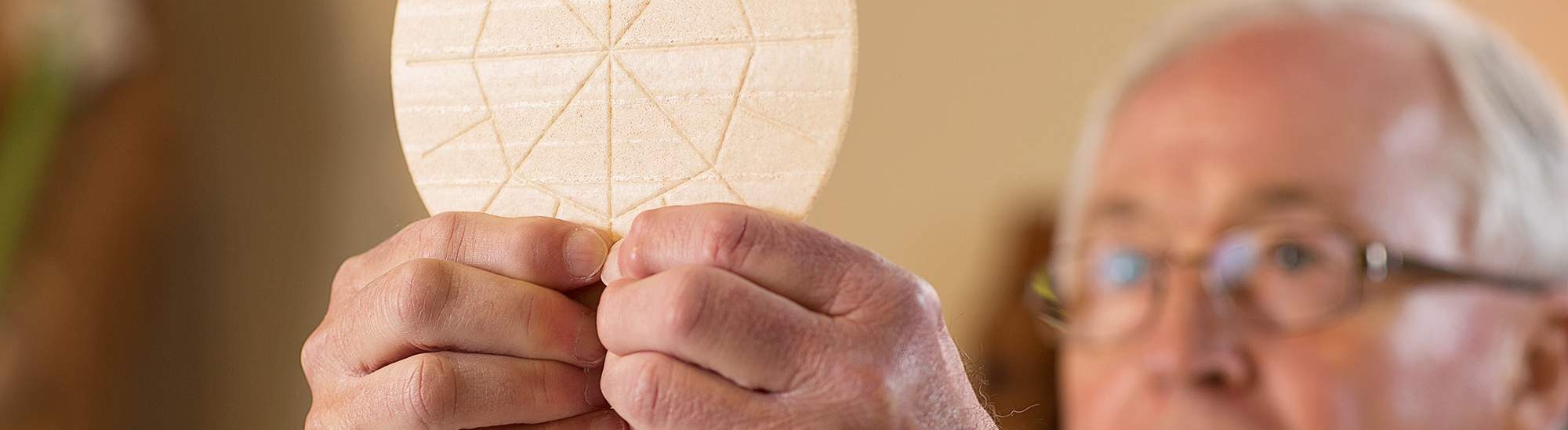
Speaking on the importance of personal prayer in Christian life, Cardinal Arinze reflected that for too many Catholics it seemed, to pray means to read or recite prayers already composed. Noting that the exalted and supreme character of liturgical prayer follows from the fact that Christ is the chief person praying, Arinze begged the question that having received Jesus in Holy Communion, have we really nothing to say to him from our hearts?
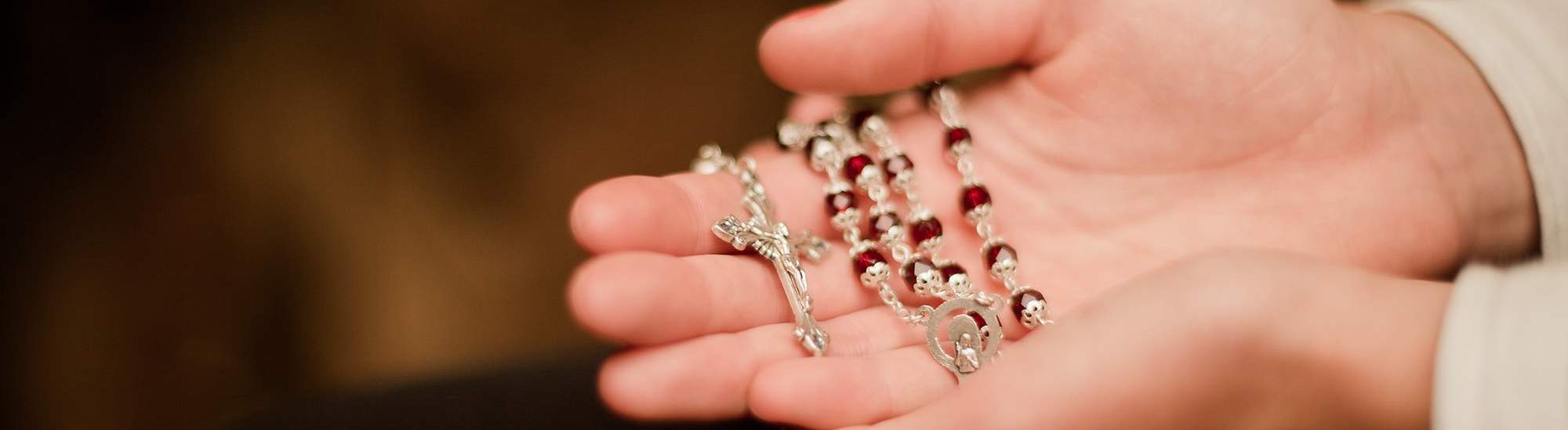
While personal prayer can be inspired by liturgical or even community prayer, as a personal dialogue with God it ought to come from the heart more so than from any pre-prepared script. A vital habit in maintaining that lived relationship with God, personal prayer represents an opportunity to express our inner most thoughts, emotions, and desires to Him, and connect with Him on a more intimate level.
The Catechism of the Catholic Church instructs that personal prayer is “a vital and personal relationship with the living and true God” (n. 2558), a natural reaction to the yearning for God that is implanted deep within each of us (n. 2564).
In describing the Holy Spirit’s role in personal prayer, St Paul even suggests it might take the form of “inexpressible groanings” (Rom 8:26), while St Therese of Lisieux aptly described it as “a surge of the heart.”
With a childlike awkwardness, especially when soliciting intervention for that ever-elusive Powerball win, it is nonetheless through personal prayer that we testify to a complete dependency on God and open ourselves up to the invitation to participate in His perfect will.
At the same time, it is through personal prayer that we discover just how much spirituality is also a human need and that our complete union with God, body and soul, is the destination proper to our earthly pilgrimage.
Oremus… Oremus pro invicem!