
GOSPEL MATTERS: The Religious Potential of the Child

By Dr Christine Wood, Director of the Office of Evangelisation & Catechesis
Made in God’s image we all thirst for God, whether we know it or not. The Catechism explains, “The desire for God is written in the human heart, because man is created by God and for God.” In the depths of our suffering we cry out to God for help.
In prayer, we express our great existential thirst: “Whether we realise it or not, prayer is the encounter of God’s thirst with ours. God thirsts that we may thirst for him.” This is our innate religious potential.
Sofia Cavalletti and Gianna Gobbi, founders of the Catechesis of the Good Shepherd (CGS), recognised the profound religious potential of the young child.
Using Maria Montessori’s educational principles, they developed a model for helping children (aged 3-12) discover and actualise this religious potential and form an intimacy with God.
Catechist, Sr Mary Michael Fox, writes, “This religious potential enables the child to grasp the sacramental nature of things—their transcendent reality.
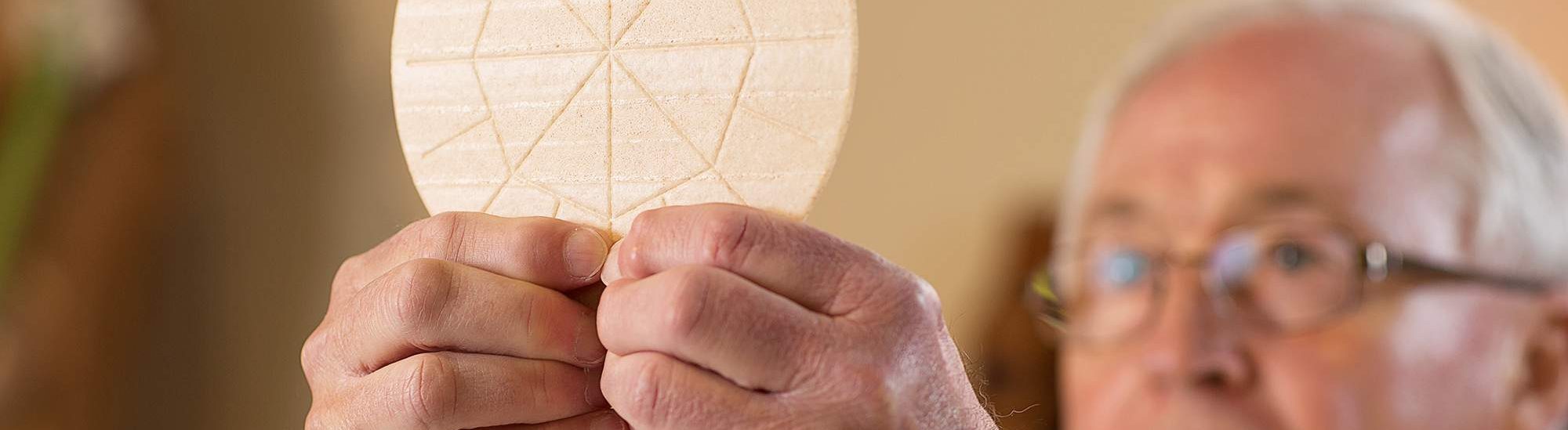
For example, place a gold chalice or monstrance before a child and notice the awe that comes over him! Caught up in its beauty and mystery he easily recognizes that something (Someone) holy fits there.
Read Scripture’s account of the Annunciation and partner it with the gesture of the epiclesis and the child will tell you that it is by the power of the Holy Spirit that bread becomes the Body of Christ! All things to the child serve as a portal to God—to his truth and his goodness.”
If we offer children an organised environment, carefully orchestrated for them to listen to God’s Word, and to respond to it, these children will encounter God.
Their natural contemplative spirits will be activated. God thirsts for the child, and the child thirsts for God.
“Like most of us, children absorb their culture more by assimilation rather than by direct instruction”, says Sr Fox. “For this reason, the Catechesis of the Good Shepherd Atrium is a carefully prepared environment full of didactic materials (objects and activities which the CGS aptly calls ‘works’) that serve as their own source of instruction in the faith. In other words, these materials speak a theological truth.”
The CGS has been running in the Kingston-Channel Parish for three years with great success. The Archdiocese recently hosted two formation leaders from Melbourne to form adults in the methodology so that we could establish two more CGS Atriums – in Hobart and Launceston. If you are interested in getting involved please contact Heather Excell on 6208 6038. Further information is found at the CGS Association Australia at www.cgsaust.org.au.